


Until recently if you had a full or intermediate UK licence but you had not passe an official CW test as part of the licence requirements you were not able to operate on HF under CEPT in Greece.
Plenty of how do you operate in other country sites also mentioned this was the case.
This changed recently but the details do not appear to have filtered through.
I just confirmed this with both the President of the RAAG (Greece RSGB
equivalent) Manos SV1IW and with IARU a pass in a cw test is no longer a requirement
for operating HF in Greece under the rules of CEPT. So if you have a
full or Intermediate licence you can operate on HF, Novice M3 and M6 are
not valid under CEPT.
The comment by email I have from Manos is:
"You will only need your U.K. License with you. Depending
on the place you visit you may use the call SV1/M1KTA/M or SV1/M1KTA/P or any
other SVx/M1KTA/P. For your convenience I am sending you the current radio
regulation document for radio amateurs in Greek. Pages 11 and 12 (articles 22
and 25) describe operation in Greece
for visitors. I would suggest printing it and carrying it with you..... Power for HF is 500W PEP and 100W for
VHF-UHF".
For any that cannot find it and are planning to visit
if you ask I will send you a full copy of the Greek radio regulations.
Article 22 and 25 are included below.
Άρθρο 22
Κάτοχοι αλλοδαπής ραδιοερασιτεχνικής άδειας
που εκδόθηκε σύμφωνα με την Σύσταση
T/R 61−01 της CEPT.
1. Κάτοχοι αλλοδαπής ισχύουσας ραδιοερασιτεχνικής
άδειας που εκδόθηκε σύμφωνα με τη Σύσταση T/R 61−01
της CEPT και τούτο αναγράφεται−δηλώνεται επί της
αδείας, έχουν δικαίωμα λειτουργίας ραδιοερασιτεχνικού
σταθμού σύμφωνα με την αντίστοιχη ραδιοερασιτεχνική
κατηγορία της αλλοδαπής αδείας τους, κατά τη διάρ−
κεια της προσωρινής παραμονής τους στην Ελλάδα
και όχι πέραν των τριών (3) μηνών, χωρίς να απαιτείται
έκδοση Ελληνικής άδειας.
2. Στη διάρκεια της προσωρινής παραμονής του ο ρα−
διοερασιτέχνης κάτοχος αλλοδαπής άδειας που εκδό−
θηκε σύμφωνα με την CEPT T/R 61−01 μπορεί να εγκα−
ταστήσει και «σταθερό» σταθμό, χωρίς να απαιτείται
έκδοση Ελληνικής άδειας. Ωστόσο, στην περίπτωση αυτή
εφαρμόζονται οι τεχνικές διατάξεις που ισχύουν για την
εγκατάσταση ελληνικού ραδιοερασιτεχνικού σταθερού
σταθμού, συμπεριλαμβανομένων κατά περίπτωση και των
διατάξεων αδειοδότησης των κατασκευών κεραιών.
3. Στους κατόχους αλλοδαπής ισχύουσας ραδιοερα−
σιτεχνικής άδειας των παραπάνω περιπτώσεων συγκα−
ταλέγονται και αυτοί που προέρχονται από χώρες που
έχουν αποδεχθεί επίσημα τη Σύσταση T/R 61−01 της
CEPT και επιπλέον οι άδειες τους είναι ισοδύναμες με
τις άδειες της υπόψη Σύστασης. Στις περιπτώσεις αυτές
δεν είναι απαραίτητο τούτο να αναγράφεται−δηλώνεται
επί της αδείας. Η Κεντρική Υπηρεσία του ΥΥΜΔ, μεριμνά
για την ανάρτηση πίνακα, στον ιστότοπο του Υπουργεί−
ου, με τις χώρες που αποδέχονται τη Σύσταση T/R 61−01
της CEPT καθώς και λεπτομέρειες σχετικές με την ισο−
δυναμία ή όχι των κατηγοριών των ραδιοερασιτεχνικών
αδειών που εκδίδονται από τις χώρες αυτές.
4. Στην περίπτωση που ο ανωτέρω αδειούχος ραδιο−
ερασιτέχνης, διαμένει στην Ελλάδα πέραν των τριών
(3) μηνών, δύναται να ασκεί τις ραδιοερασιτεχνικές του
δραστηριότητες μόνον εφόσον λάβει Ελληνική άδεια
σύμφωνα με τις διατάξεις του παρόντος.
and
Άρθρο 25
Λειτουργία ραδιοερασιτεχνικών
σταθμών αλλοδαπών στην Ελλάδα.
1. Η ισχύς εκπομπής του ραδιοερασιτεχνικού σταθμού
αλλοδαπού καθώς και οι συχνότητες λειτουργίας του,
σε καμία περίπτωση δεν υπερβαίνουν τα όρια ισχύος
και τις ζώνες συχνοτήτων που ισχύουν στην Ελληνική
νομοθεσία.
2. Εάν ο αλλοδαπός ραδιοερασιτέχνης μείνει προ−
σωρινά (μέγιστο χρονικό διάστημα τριών μηνών) στην
Ελλάδα, λειτουργεί τον σταθμό του εντός του Ελληνικού
ραδιοχώρου χρησιμοποιώντας το πρόθεμα “SV” ακολου−
θούμενο από τον αριθμό Ελληνικής ραδιοερασιτεχνικής
περιοχής, ακολουθούμενο από το δικό του χαρακτηρι−
στικό κλήσεως, ακολουθούμενο από το /P ή /M ή /MM ή
/AM κατά περίπτωση. Ο υπόψη ραδιοερασιτέχνης έχει
δικαίωμα χρήσης ΕΔΚ σύμφωνα με τις διατάξεις του
παρόντος κανονισμού.
3. Ο αλλοδαπός ραδιοερασιτέχνης που μένει προ−
σωρινά (μέγιστο χρονικό διάστημα τριών μηνών) στην
Ελλάδα, δεν δικαιούται προστασίας έναντι επιβλαβών
παρεμβολών σύμφωνα με τη Σύσταση T/R 61−01 της
CEPT.
This does mean that any operations that were undertaken in recent times
(2003 to date) might not all be valid for DXCC or RSGB IOTA credit I would advise that
you check if the station operation was valid.
Thursday, 11 April 2013


Homebrew desolder braid
I have some lengths of ratty RG-213 and RG-8 that I pulled the core out
of and use for all sorts of hook ups and I use the braid for
desoldering, you should 'treat it first'. My Dad (67) showed me this a while ago, he located a tin
(looked a bit like neutral boot polish) of flux paste, not plumbers
stuff but that can work too. You paint the braid with the flux and warm
it to let it run through the braid (don't heat really hot so it smokes) and let the excess flux dip off.
Then allow the section (12" lengths) to cool down and put them in a plastic bag. When need it you use as if it were 'proper desolder braid.
It saved a fortune and who has not got random old lengths of coax ?
You could use almost any coax but the ones with untinned copper braid is best, using RG174 will give you fine braid but even TV coax braid works.
If the braid is green and horrid it doesn't work as well:-)
It saved a fortune and who has not got random old lengths of coax ?
You could use almost any coax but the ones with untinned copper braid is best, using RG174 will give you fine braid but even TV coax braid works.
If the braid is green and horrid it doesn't work as well:-)
OT radio wise but a common enough occurance for amateurs laptop or PC drive failure
Some of you probably know how to do this anyway… but I suspect a few will have a laptop or a PC in the shack and this might help you figure out options...
A friend's
laptop runs windows 7 and it started alerting that the hard drive was going to fail so could I help? They brought it over and sure enough smartdrive reports failure imminent. So I bought a couple of new drives, same model and size off ebay, I knew what these were by going into the BIOS, no point trying for a system restore with restore
DVD as 100% positive they will have installed stuff (SDR, HRD, Winlogger, Skype, Win-Test etc...) after they bought it that I know nothing about and I might spend endless hours trying to put it all back together again.....and as the system is working albeit a bit slow right now.
So first I shutdown and remove the 2.5" drive from the laptop and put
it into a freezer bag and into our freezer over night. The following day then boot
laptop using a damn small Linux live CD, with new drive in place did not format it or
anything just take from static bag and fit it and put old one (it was at -18C initially) in an ebay cheap usb3 external enclosure with
the cover off. The BIOS sees the new drive then booted into Linux and ran ‘dd if=/dev/sdb of=/dev/sda’ nice and simple one 320gb
drive cloned to the other and they get old system back …. However this can take a
while so how do you get feedback from dd?
If I run the dd command in one terminal then open a 2nd terminal
and run ps -ef | grep dd and find the ..... then run 'watch -n
100 kill -USR1 ' and you get the progress. updating every 100 seconds in
the first window.
I also wrote up instructions how once a month when there are a couple of hours when not using it insert the live cd and
the usb drive with the second drive, reboot the system and run the dd command and the feedback in two terminals so creating a clone of the original drive. As the clone drive is formatted as windows they also have the option of seeing the files they created by plugging the drive into the laptop, they can use it but it will be wipped every time they clone the drive in the laptop which is fine. At least if the drive fails again I’ll
have a drive ready to go too.
The freezer bit… old habit if a drive was failing it often helps to
hard freeze it (dry so have to protect from ice) before reading it one last
time. It was still cold after 2 hours (which is about time it took to run the
copy).
Smartdrive after the copy says it is due to fail so I'll scrub it.
Sunday, 7 April 2013
TNT Tx moves a stage closer
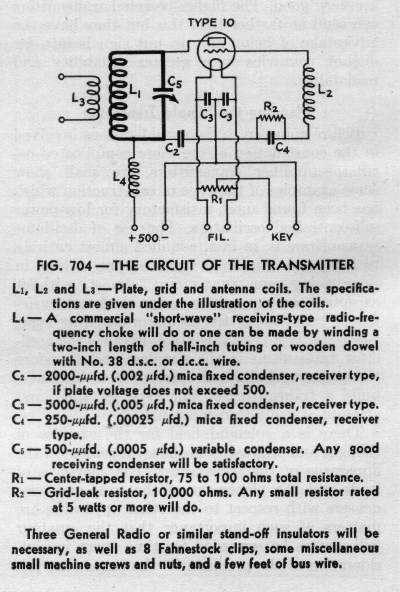
Closer to building the TNT (lots of details here http://members.shaw.ca/ve7sl/tnt.html)


 At CRG rally this morning found these...

The bases are fine with no cracks and two of them include the top brass nut. The threads on the brass threaded bolt look like some old BA gauge so will need to rummage to find a spare. However, I can see I could replace them with a 'new' M5 brass bolt as they are slot bolts and that can be seem from underneath. I do not have any thumb nuts which appear to be used with the original to adjust/swap the coils so I wil have a think about that.
I had a chat and I managed to locate some fibre washers as they will have been use originally to secure these to the base.
Two reels of air conditioning coolant 1/4" OD copper pipe for the coils were delivered yesterday. The wall thickness is more than brake pipes which are also a Nickel Copper alloy.

 This means I will have plenty to make 80m, 40m and perhaps 20m coils. I do not think the original were ever operated on 30m but I might make up a 30m coil set.

I have variable caps that will suit, and I will use a broadcast 500pF type in series with the antenna output as I suspect will use typical 50ohm antennas at QTH initially
A bag of lozenge caps and a couple of vintage grid leak resistors make up the rest of the components along with some paxolin based 5 pin sockets (I will have '27 tubes) were a donation from another amateur. I have a backup porcelain UX-5 base as well.

At the Borne Airfield market on Easter Monday I picked up a nice cheap wooden broom handle that is the right diameter for the grid coils that I will cut down. I'll use some of the same varnish on them that I used for the workshop worktop which is rock hard now. And I have some long bolts I will use to connect them into the circuit if I do not use these little stand offs.

The PSU transformer I might wind one specially for it but I have some 'glowbug' type transformers with an almost 1:1 mains 240V to HT so I could use a voltage doubling circuit and there are separate filament windings.
GQRP Valve day is 21st April... lets hope can get it on the air in time.


The bases are fine with no cracks and two of them include the top brass nut. The threads on the brass threaded bolt look like some old BA gauge so will need to rummage to find a spare. However, I can see I could replace them with a 'new' M5 brass bolt as they are slot bolts and that can be seem from underneath. I do not have any thumb nuts which appear to be used with the original to adjust/swap the coils so I wil have a think about that.
I had a chat and I managed to locate some fibre washers as they will have been use originally to secure these to the base.
Two reels of air conditioning coolant 1/4" OD copper pipe for the coils were delivered yesterday. The wall thickness is more than brake pipes which are also a Nickel Copper alloy.


I have variable caps that will suit, and I will use a broadcast 500pF type in series with the antenna output as I suspect will use typical 50ohm antennas at QTH initially
A bag of lozenge caps and a couple of vintage grid leak resistors make up the rest of the components along with some paxolin based 5 pin sockets (I will have '27 tubes) were a donation from another amateur. I have a backup porcelain UX-5 base as well.

At the Borne Airfield market on Easter Monday I picked up a nice cheap wooden broom handle that is the right diameter for the grid coils that I will cut down. I'll use some of the same varnish on them that I used for the workshop worktop which is rock hard now. And I have some long bolts I will use to connect them into the circuit if I do not use these little stand offs.
Several have commented that the HT should be shunt fed which is what I will do.
The PSU transformer I might wind one specially for it but I have some 'glowbug' type transformers with an almost 1:1 mains 240V to HT so I could use a voltage doubling circuit and there are separate filament windings.
GQRP Valve day is 21st April... lets hope can get it on the air in time.
Saturday, 6 April 2013
Sussex Valve Tester construction so far
Just stuffed the PCB based on Mike Rowe's layout.
Some of the PCB transistor layouts seemed to be reversed and TR8 was definitely needed to be 'tweaked'.
I also have one of Ed Dinning transformers so I will not use the 35V on board transformer as the transformer has the windings in it.
The rest of the Rapid order has the other components. I'll start panel bashing soon... I think might make it into an A4 (ish) size flight case so it can be closed up and carried easily.


Thursday, 4 April 2013
Paraset panel
Ran into Geoff Wilkin G0DDX last night at camb-hams pye and pint , white horse in Barton.
He has fabricated a number of laser cut panels for wooden box type parasets.


Similar to this one.
I'll make one up from bits I have.
He has fabricated a number of laser cut panels for wooden box type parasets.


Similar to this one.
I'll make one up from bits I have.
Monday, 1 April 2013
UT60A DVM as a frequency counter
Very quick demo of the DVM used a as a frequency counter.
It is not hyper accurate with lots of digits but it does work.It will give 10KHz resolution above 10MHz and 1KHz below... it will go down to audio frequencies as well but not got a video of that.
It is not hyper accurate with lots of digits but it does work.It will give 10KHz resolution above 10MHz and 1KHz below... it will go down to audio frequencies as well but not got a video of that.
Subscribe to:
Posts (Atom)


